The Cerebral Palsy Journey

Cerebral Palsy risk factors are events, substances or circumstances that increase the risk of developing Cerebral Palsy. A risk factor does not ensure a child will develop Cerebral Palsy; it means chances are higher than if that risk factor was not present. The absence of risk factors does not ensure that a child will not develop Cerebral Palsy.
The following are common risk factors for developing Cerebral Palsy. The presence of one or more risk factors does not ensure a child will develop Cerebral Palsy; it means chances are higher than if that risk factor was not present. Likewise, the absence of risk factors does not ensure that a child will not develop Cerebral Palsy. Risk factors merely identify possible cause for concern.
Avoiding risk factors will help prevent a child from developing Cerebral Palsy; any exposure to risk factors prior to conception and during pregnancy should be discussed with a doctor in order to effectively treat and manage risk. This list is not meant to be all-inclusive; other risk factors may contribute to the development of Cerebral Palsy, as well.
To learn about risk factors and how they differ from risk factor causal pathways, visit What is a risk factor? How does that differ from a risk factor causal pathway?
To review the Cerebral Palsy Risk Factor Checklist, visit the Cerebral Palsy Risk Factor Checklist.
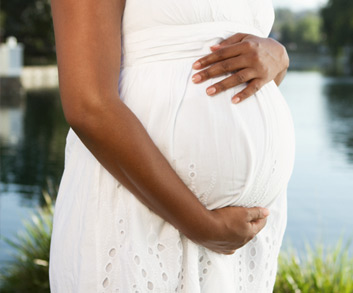
Risk factors merit awareness before conception, during pregnancy and even following delivery. Many experts recommend visiting with a doctor before becoming pregnant to assess reproductive health. A complete assessment will include questions about social habits, medical history, and other factors that may influence pregnancy.
Likewise, a person who is already pregnant may want to become familiar with risk factors and inform her doctor of any exposure to prescription medications with your doctor, and make sure any health problems, such as diabetes, fevers, or infections are treated immediately.
Hair dye, kitty litter, cleaning solutions and lawn and garden products are just a few of the potentially harmful household products. A physician will also need to know about any use of dietary supplements, homeopathic treatments or prescription drugs.
Blood tests should be administered to prevent any ABO or RH blood incompatibilities. An expectant mother should avoid exposure to known toxins – such as pesticides and poisons, cigarette smoke, alcohol and other recreational drugs.
Likewise, events that cause any sort of asphyxia, such as respiratory distress syndrome or medical negligence, are significant risk factors. Seizures, infections (like meningitis and malaria), hypoglycemia, hypothyroidism, and strokes can increase the chance of a child developing Cerebral Palsy.
Brain injury can occur at any time during the life of a child or adult, and therefore there are known risk factors to be aware of even after the brain is fully developed. Trauma is the leading cause of brain injury after birth.
To learn about risk factors and how they differ from risk factor causal pathways, visit What is a risk factor? How does that differ from a risk factor causal pathway?.
Risk factors are not symptoms. Risk factors increase the likelihood that a child may develop Cerebral Palsy. However, symptoms are possible evidence that a child may have Cerebral Palsy.
One early sign of Cerebral Palsy is a developmental delay. Developmental delay indicates a child has not met the growth milestone established by the medical community and relevant to a his or her age and weight. This delay could be a symptom of Cerebral Palsy, another condition, or merely attributable to the child developing at a different rate than most other children.
Any signs should be addressed with the child’s doctor. Delayed development does not increase the chances of Cerebral Palsy, rather it is a sign that, when combined with other signs, causes concern that the child may have Cerebral Palsy.
Risk factors are not causes. While risk increases the chance of a child being born with Cerebral Palsy, cause is the action that resulted in development of Cerebral Palsy.
The cause of Cerebral Palsy is brain injury or brain malformation, which can usually be detected in MRIs or CT scans during the diagnostic process. Although the actual brain injury or malformation that led to Cerebral Palsy is identified, it is not always possible to determine a specific event that caused the injury or malformation.
For example, premature birth (before 37 weeks) is a significant risk factor, yet prematurity is not considered a cause of the brain damage that results in Cerebral Palsy. In fact, many babies are born premature and do not develop any differently than babies born at term. Premature birth does not cause Cerebral Palsy. However, parents and doctors should be aware that the likelihood of developing Cerebral Palsy increases when a child is born prematurely.
Risk factors increase the odds of Cerebral Palsy occurring. Symptoms are possible signs that a condition exists, and causes are the reason a child develops Cerebral Palsy.
Do you have questions? Require assistance?