Recreation and Play

It is natural to be concerned about developmental growth milestones for children with cerebral palsy. Parents are excited when their child first rolls, sits, crawls, walks, and runs. Parents and pediatricians notice when they don’t. Delay doesn’t always mean a child has impairment, but it does indicate a reason to be concerned.

When developmental milestones are not met, early intervention can be helpful. The child’s primary care physician will monitor the child’s progress over time to rule out some conditions while attempting to diagnose the child’s condition. When diagnosed, physical therapy and treatment protocols are considered to manage and minimize the child’s condition.

Children Love to Play!

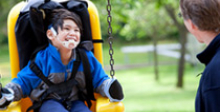
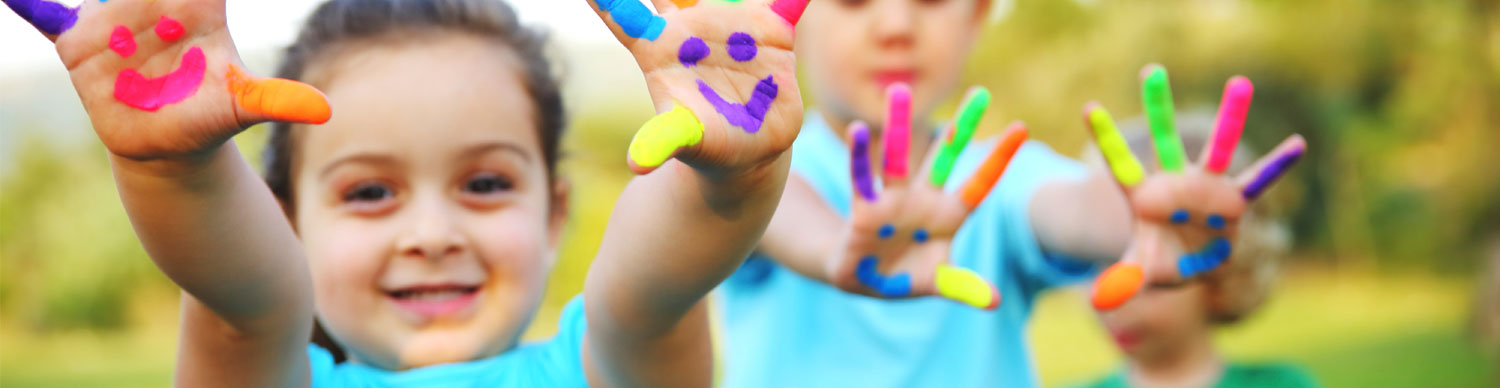
Through it all, it is easy to lose sight of the child’s wishes. Most likely, the child just wants to play, interact, and have fun with others. After all, he or she is still a kid.

Obvious health, fitness and wellness benefits are found in sports, recreation and play. Perhaps equally important, children find a sense of belonging and acceptance through participation. They persist, accomplish, fail and succeed. They talk, listen, scheme, create and dream.

Rules, goals, strategy and benchmarks in their games are tools that teach reasoning, intellect and processing. Play can be spontaneous, competitive, or an avenue to pass the time. It is an opportunity to communicate, make choices, and relieve tension. Through sports, recreation and play, children are exposed to the elements that make life enjoyable and teachable. They develop interests and hobbies. But, most of all, for them it is just plain fun.

Play with Purpose Has Benefits

The benefits of recreation and play are the same whether a disability exists or it doesn’t. Physical activity and play experiences help develop and promote individual health, fitness, and well-being. Many school-aged special needs students have Individualized Education Program (IEP) goals related to play and recreational opportunities. These activities take place in the school, at home and out within the community.

Likely, the child’s parents and caretakers will be urged to expose the child to regular exercise regimens. In addition, recreation and play can serve as “play with purpose,” providing further therapy. Programs outside school, such as community parks and recreation activities, community center programs, sports team opportunities, playground activities, and support group events provide additional opportunities to meet care plan goals.

Physical and recreational therapy is an important treatment component for those with cerebral palsy. They provide an opportunity for family, friends, classmates, and neighbors to embrace fun activities that can be shared with those who have special needs.

Much is to be gained through recreation and play. A child obtains self-expression, self-knowledge, self-actualization, and self-efficacy from play. Play also boosts the ego, stimulates creative thinking, releases emotion and provides opportunities to practice skills and roles.

Benefits of recreation and play include:

  • Health, fitness and well-being
  • Cognitive skill development
  • Enhanced communication
  • Emotional growth
  • Fine and gross motor development
  • Creative expression
  • Happiness
  • Independence
  • Leadership abilities
  • Mental strength
  • Motor development
  • Perception
  • Personal growth and development
  • Problem solving
  • Self-advocacy skills
  • Self-confidence
  • Social development
  • Socialization and human interaction
  • Tolerance

Examples of plan elements for recreation and play may include:

  • Childcare, daycare, and respite experiences
  • Community and community center programs
  • Local parks and recreation activities
  • Mentoring organizations
  • Play and support groups
  • Playgrounds
  • School-related activities
  • Sports teams
  • Summer camp
  • Support group events
  • Therapy

Inclusive, Barrier-Free Opportunities Abound

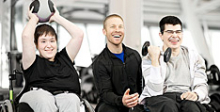
Today, much progress has been made in creating opportunities for children with varying degrees and types of disabilities to play, socialize, and enjoy social interaction. Legislation has provided a means to which inclusive, accessible, barrier-free opportunities are afforded to all. This allows children with or without disability to participate in recreation, play and sports – as well as to “fit-in” as they bond with other children who have similar disability, and with those who do not.

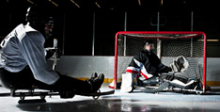
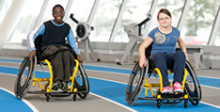
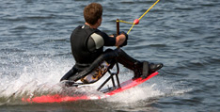
A broad range of sports programs and outdoor activities are available year-round for children with disabilities. With adaptive equipment, assistive technology, communication devices, special clothing and modified gear, individuals with disabilities are able to choose areas of interest to explore and excel. Some programs are considered inclusionary and provide trained instructors, specialized techniques, along with modified guidelines and rules to accommodate those with disability. Although these programs are designed specifically for those with special needs, others without disability are encouraged to play and participate, as well, thereby promoting inclusion, accessibility, accommodation, and acceptance.

Depending on the extent and severity of the individual’s cerebral palsy, pediatricians and other care team members will likely recommend the least restrictive environment appropriate for each child.

As more facilities and organizations embrace inclusive, accessible, barrier-free environments, more opportunities for recreational activities are afforded to those with special needs. Some inclusive opportunities are:

  • Air hockey
  • Alpine skiing
  • Aquatic therapy
  • Archery
  • Art therapy
  • Bagatelle
  • Basketball
  • Baseball/softball
  • Boating
  • Bocce
  • Boccia
  • Bowling
  • Canoeing
  • Chess
  • Climbing
  • Coloring therapy
  • Cross country skiing
  • Curling
  • Cycling
  • Dance therapy
  • Drama therapy
  • Equestrian
  • Fencing
  • Fishing
  • Flying
  • Football
  • Gardening
  • Goal ball
  • Golf
  • Hockey
  • Horesback riding (hippotherapy)
  • Hunting
  • Ice skating
  • Judo
  • Karate
  • Kayaking
  • Music therapy
  • Paralympics
  • Play therapy
  • Power lifting
  • Rugby
  • Sailing
  • Scuba diving
  • Shooting
  • Sit volleyball
  • Sledding, sledge hockey and picking
  • Skiing
  • Snow skiing
  • Soccer
  • Special Olympics
  • Swimming
  • Tai Chi
  • Table tennis
  • Tennis
  • Theatre
  • Therapeutic recreation
  • Track and field
  • Video game therapy
  • Volleyball
  • Wall climbing
  • Water skiing
  • Wheelchair basketball
  • Wheelchair rugby
  • Wheelchair tennis
  • Wrestling

RESOURCES How MyChild Can Help

Knowing about resources and opportunities can make a difference, but knowing how to find and qualify for those resources is key.

MyChild recognizes that families touched by cerebral palsy are busy. Raising a child with mobility impairment requires doctor visits, treatments, therapies, and a host of responsibilities within the home, school, and community. MyChild hopes to help. Your time is precious.

Over the years, MyChild has expanded our database of contacts, information, and resources, which may be of assistance. We share general information online, but also offer a wealth of state and local information that may be more appropriate to particular circumstances and an individual child’s needs through our call center.

MyChild operates a call center to efficiently assist parents and others with questions and concerns. Call 1-800-MyChild (1-800-692-4453) for resources within your community, based on your family’s particular circumstances.