Socialization
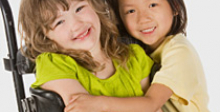
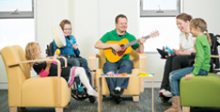
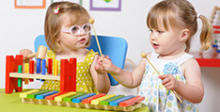
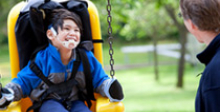
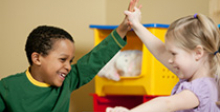
The benefits of a socialization for a person with cerebral palsy can be life-altering and life-sustaining. Socialization experiences provide children the opportunity to learn from one another and develop important life skills and friendship bonds. Values, societal norms, and cultural guidelines are learned through a lifelong process of interaction with others.
Socialization combats isolationism. Lack of socialization may adversely affect a child’s social abilities, emotional health, learning, and individual well-being.
Often, those with impairment or disability are not included in friend’s play, family outings, recreational opportunities or at peer gatherings; others sometimes hesitate to invite them for fear of not knowing how to accommodate physical challenges or overcome other barriers.
Caregivers unwittingly may feed a child who requires total care before sitting down at the table to eat with the family. A quick trip to the store often will not include the child who requires a wheelchair. These can be lost opportunities for socialization. The opportunity to experience real life situations in the presence and company of others teaches valuable life lessons.
The individual’s ability to socialize incorporates opportunities to interact at home, school, work, and within many community settings. Socialization incorporates many of the senses – touch, smell, see, hear – in real-life situations. The ability to observe and participate enriches an individual’s quality of life.
Inclusion as part of a group is a basic human social need. Whether a person has disability or not does not impact the desire to be respected by others and accepted by those in his or her own age group. Socialization with others who have similar disabilities has many positive outcomes. Otherwise, they may not feel different, or alone. These needs are met through socialization.
Ways to Improve Socialization Skills
Parents or teachers can consult a behavioral therapist when a child becomes withdrawn, can’t express their emotions, or is having a difficult time being accepted at school. Behavioral therapists employ creative methods of building self-esteem and confidence, which help a child overcome adverse situations.
After evaluating the child, the therapist may recommend a variety of supports – such as a mentor or buddy program, playgroups, support groups, inclusion opportunities, and activities – to optimize interaction opportunities. A behavioral therapist can also train caregivers to encourage acceptance when out in the public and amongst groups.
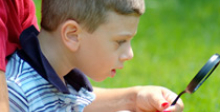
When socializing, caregivers are encouraged to look for opportunities to engage the child. Seek opportunities to teach something new. Use laughter, growth opportunities, learnings, sharing, engaging and encouragement to help children overcome difficult situations and barriers. Build self-esteem, respect and include the child in conversations and activities. Allow the child to experiment and explore the environment with his or her senses.
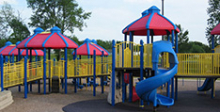
Socialization can occur in the home, play yard, out in the community, at school and even during therapy sessions. It is human nature to want to talk, share, and experience with others. Support groups offer these opportunities amongst groups of individuals with a common challenge.

Specific areas strengthened by socialization may include:
- Acceptance of others
- Communication skills
- Community adjustment
- Cooperative skills
- Creative expression
- Emotional development
- Happiness
- Independence
- Judgement
- Language skills
- Leadership abilities
- Mental strength
- Personal growth and development
- Problem solving
- Self-advocacy skills
- Self-confidence
- Self-expression
- Tolerance
Opportunities to promote socialization, include:
- Activities with friends and family
- Arenas
- Beaches
- Boys and girls clubs
- Buddy programs
- Childcare and daycare experiences
- Community programs
- Concerts
- Church
- Crafts
- Library programs
- Local parks and recreation
- Mall activities
- Mentoring organizations
- Museums
- Neighborhood gathering
- Parks and recreation programs
- Play and support groups
- Play therapy
- Plays
- School-related activities
- Sports
- Summer camp
- Support groups
- Therapy
- YMCA and YWCA
RESOURCES
Socialization
Industry organizations offering information on improving socialization skills include:
RESOURCES How MyChild™ Can Help
Knowing about resources and opportunities can make a difference, but knowing how to find and qualify for those resources is key.
MyChild™ recognizes that families touched by cerebral palsy are busy. Raising a child with mobility impairment requires doctor visits, treatments, therapies, and a host of responsibilities within the home, school, and community. MyChild™ hopes to help. Your time is precious.
Over the years, MyChild™ has expanded our database of contacts, information, and resources, which may be of assistance. We share general information online, but also offer a wealth of state and local information that may be more appropriate to particular circumstances and an individual child’s needs through our call center.
MyChild™ operates a call center to efficiently assist parents and others with questions and concerns. Call 1-800-MyChild (1-800-692-4453) for resources within your community, based on your family’s particular circumstances.


MyChild™
MyChild™
MyChild™
MyChild™